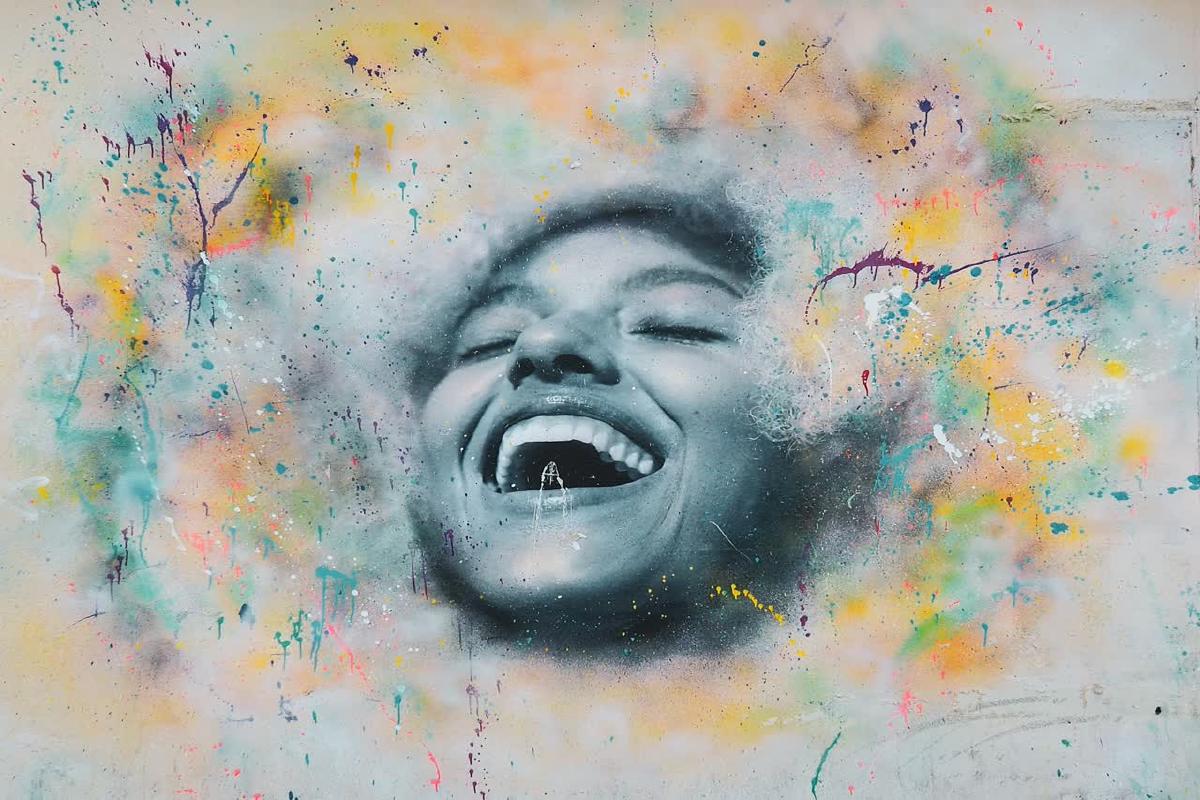

“And he sang to them…until their hearts, wounded with sweet words, overflowed, and their joy was like swords, and they passed in thought out to regions where pain and delight flow together and tears are the very wine of blessedness.” 1
Indulge me in this short piece of speculation where I consider “joy”, and more specifically the joy of restoration. I’d first submit that “restoration” – defined as returning to an initial condition – might not be the adequate word I desire to work with. I’m thinking here of the joy of recovering something of value that was lost; hopelessly lost. When the thing is returned, joy is experienced, but this does not return us to our initial state before we lost the object. Suddenly the object is even more valuable now that it’s recovered, and especially since all hope of ever possessing it again had been lost. Think of the time Jacob meets his son Joseph after years of thinking he was dead2.
It is true that we cannot wait for the day when evil and pain will be completely eradicated, but, perhaps, the memory of either will not be erased3. What need would there be for restoration if there’s no memory of loss? Joy would be diminished or canceled. Christ’s promise to those who suffer for his sake; that they’ll get “a hundred times as much and will inherit life” 4, would not mean much if there’s no clue to what the reward is for. Furthermore, if memory is wiped, so will be Christ’s agony – for which, I believe, we shall sing praises forevermore. Therefore, I see reasons why Scripture insists on restoration and consolation. The joy of deliverance is heightened when the pains of the cruelty of bondage are still vivid. Could it also be the reason why Christ’s resurrected body still has scars? Perhaps.
This is then why I maintain, at the risk of uttering heresies, that loss, despair and misfortune are among the very ingredients of this particular joy. If this joy is a campfire, then experienced tragedy will be part of the logs that feed its flames, and the fire’s heat will be intensified in direct proportion to the darkness that caused it. Maybe it looks like a beautiful painting made using dark brushstrokes. And just like a melancholic turn in a musical piece increases its depth and poignancy, pain and hardship endured seem to be among the essential components in the rich texture of this joy. I guess what I’m referring to is the kind of joy that does not try to discard pain as if it didn’t happen, but instead weaves it, so to speak, in its threads. This is perhaps the vision of the psalmist: his cup overflowing on a table in the very presence of his enemies. This is the eschatological joy longed for.
There are other glories yet unknown that will certainly fuel this joyful fire. But thank God for restoration; for getting back beyond what was lost – a hundred times and more. The Lord’s zeal and power will address even the things that, from a human perspective, are considered unrecoverable. Even time; even “the years that the locust has eaten”5 will be fully and properly dealt with once we step into eternal bliss. It wouldn’t do to just put a stop to pain, great though that sounds, it seems that, and I’m here speculating again, every second that our brains emitted pain signals must be revisited so as to administer comfort and healing – to the overflow of our joy.
We will, just like Joseph on his father’s neck the day they were reunited, and in the truest sense of the words, have “tears of joy.”
“They that sow in tears shall reap in joy.”
Psalm 126:5
“And after you have suffered a little while, the God of all grace, who has called you to his eternal glory in Christ, will himself restore, confirm, strengthen, and establish you.”
1 Peter 5:10